

Humans first set foot on the Moon more than 50 years ago. So surely, after decades of advancements in technology, Mars must be within reach? After all, we’ve already sent rovers and orbiters there. It might seem like sending humans is simply a matter of building a bigger rocket and carrying more fuel. In reality, the challenges of reaching Mars go far beyond what the Apollo missions prepared us for. The lessons that took us to the Moon solve only a small part of the journey to the Red Planet. The problem starts with distance.
Mars Is Not Next Door
The distance to Mars is about 54.6 million km from Earth at its absolute closest, already more than 140 times the distance to the Moon.
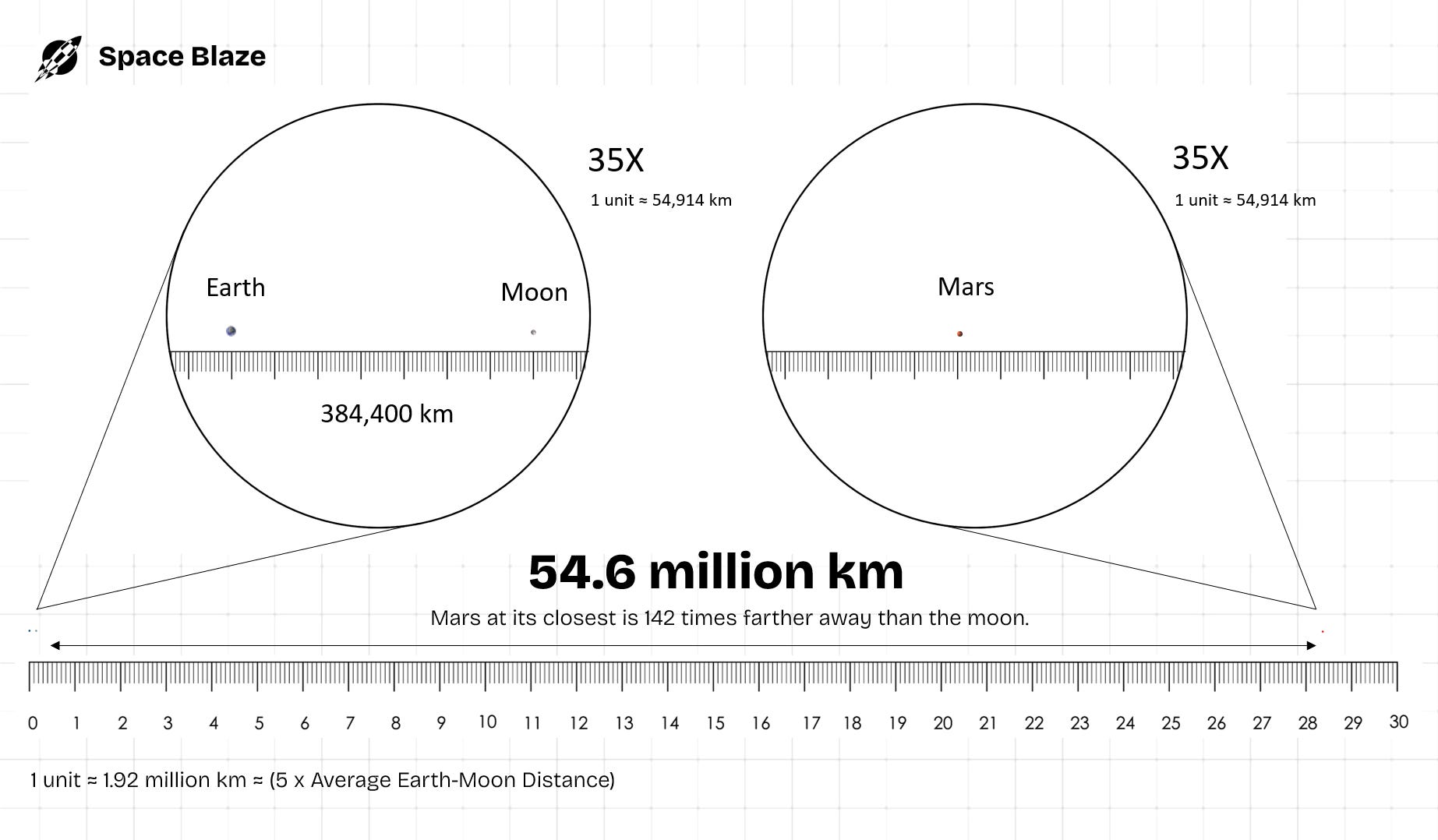
Opposition Period
Mars is closest to us when Earth sits directly between the Sun and Mars — a moment called opposition. But 54.6 million km is only the closest it could ever get, and that’s extremely rare. The actual distance at opposition changes from year to year. In 2003, Mars made an exceptionally close approach of just 55.76 million km. This time around, though, we’re not so lucky — at the next opposition in 2027, Mars will be 101.4 million km away.
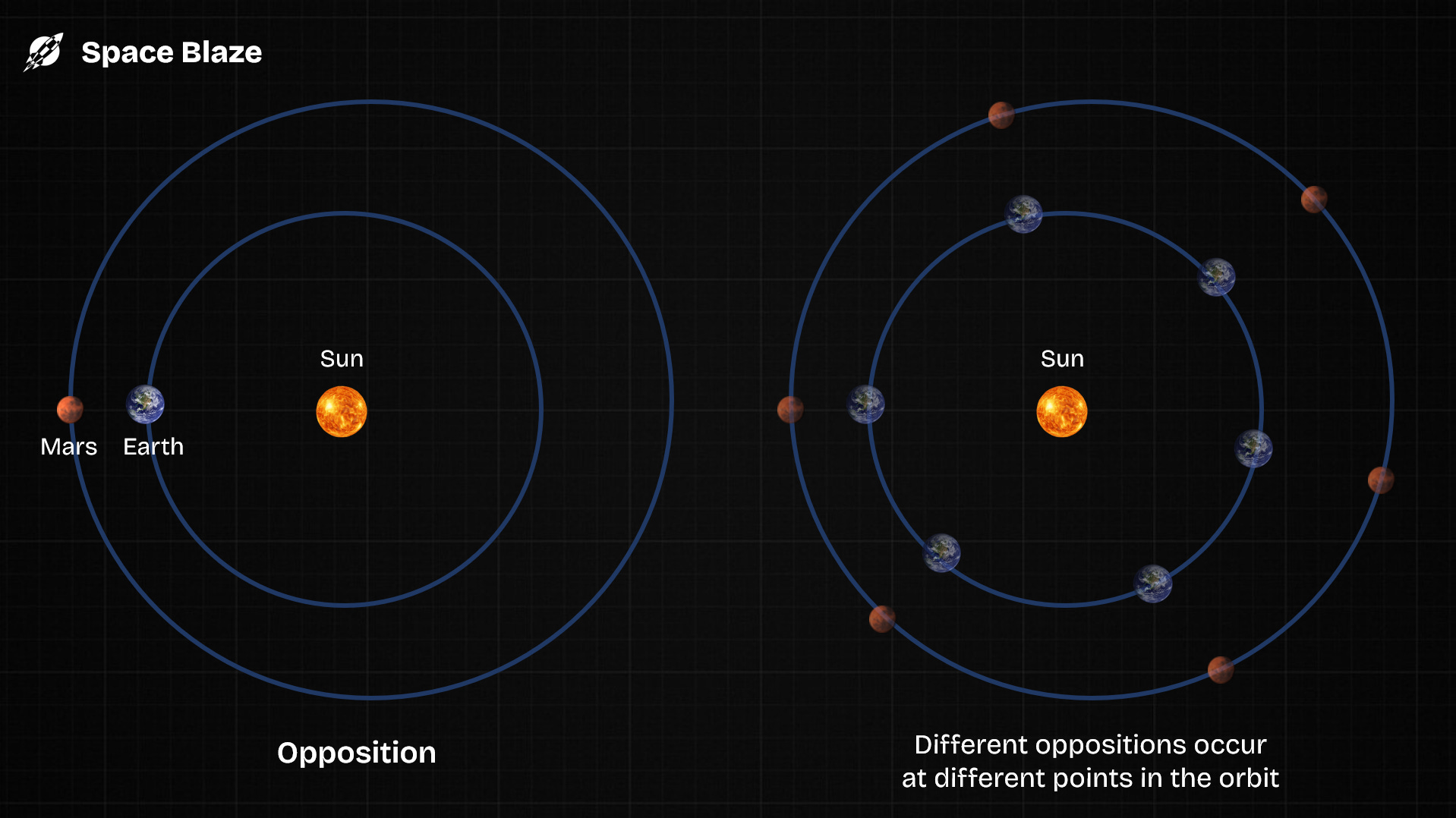
Conjunction Period
Mars is farthest from us when it’s on the opposite side of the Sun — a moment called conjunction. At its theoretical maximum, that distance is 401 million km, but just like opposition, it varies by year. At the next conjunction in 2028, Mars will be 357 million km away.
The difference between two conjunctions or two oppositions is called the synodic period. This is about 780 days.
A Long Journey
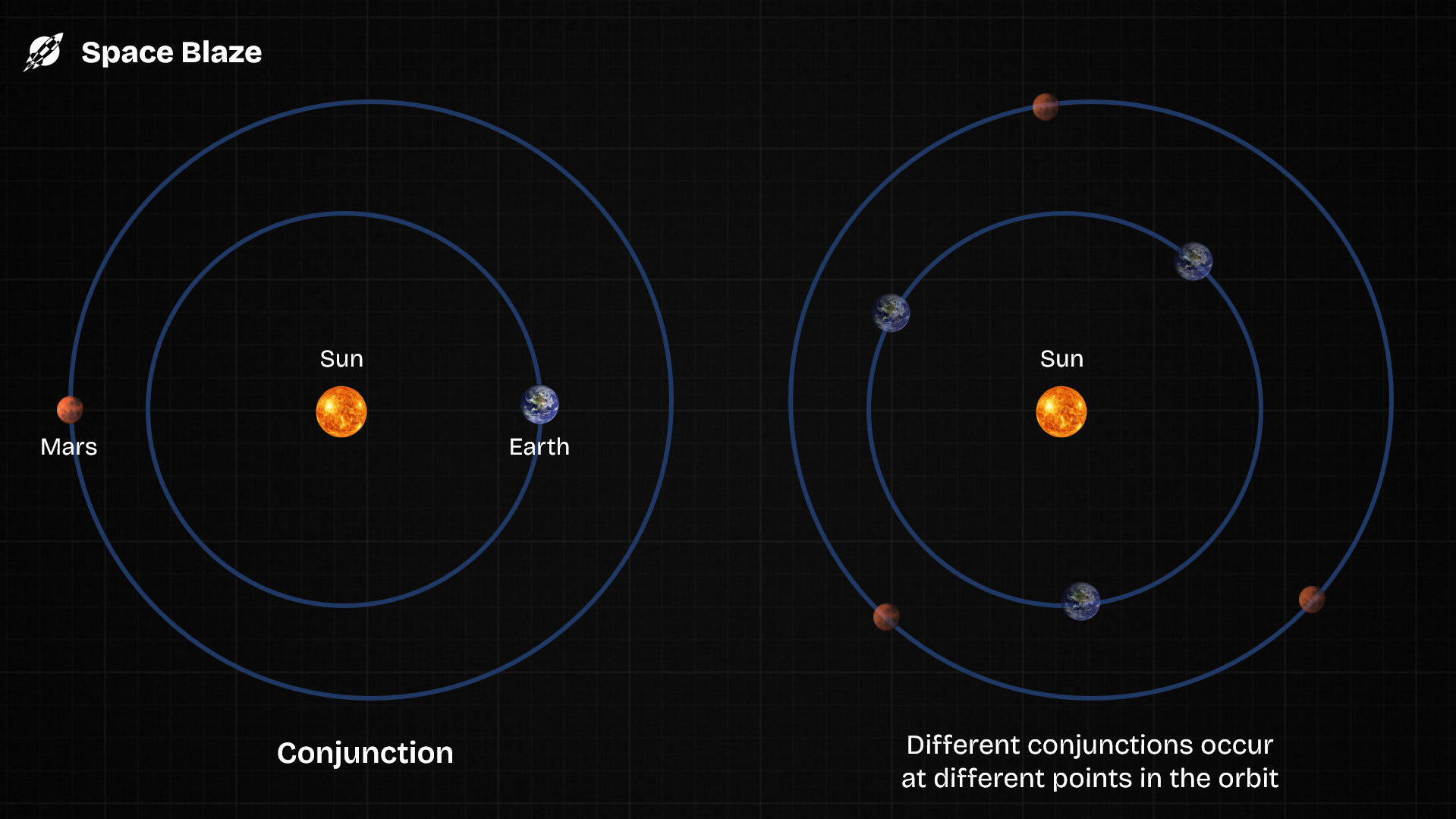
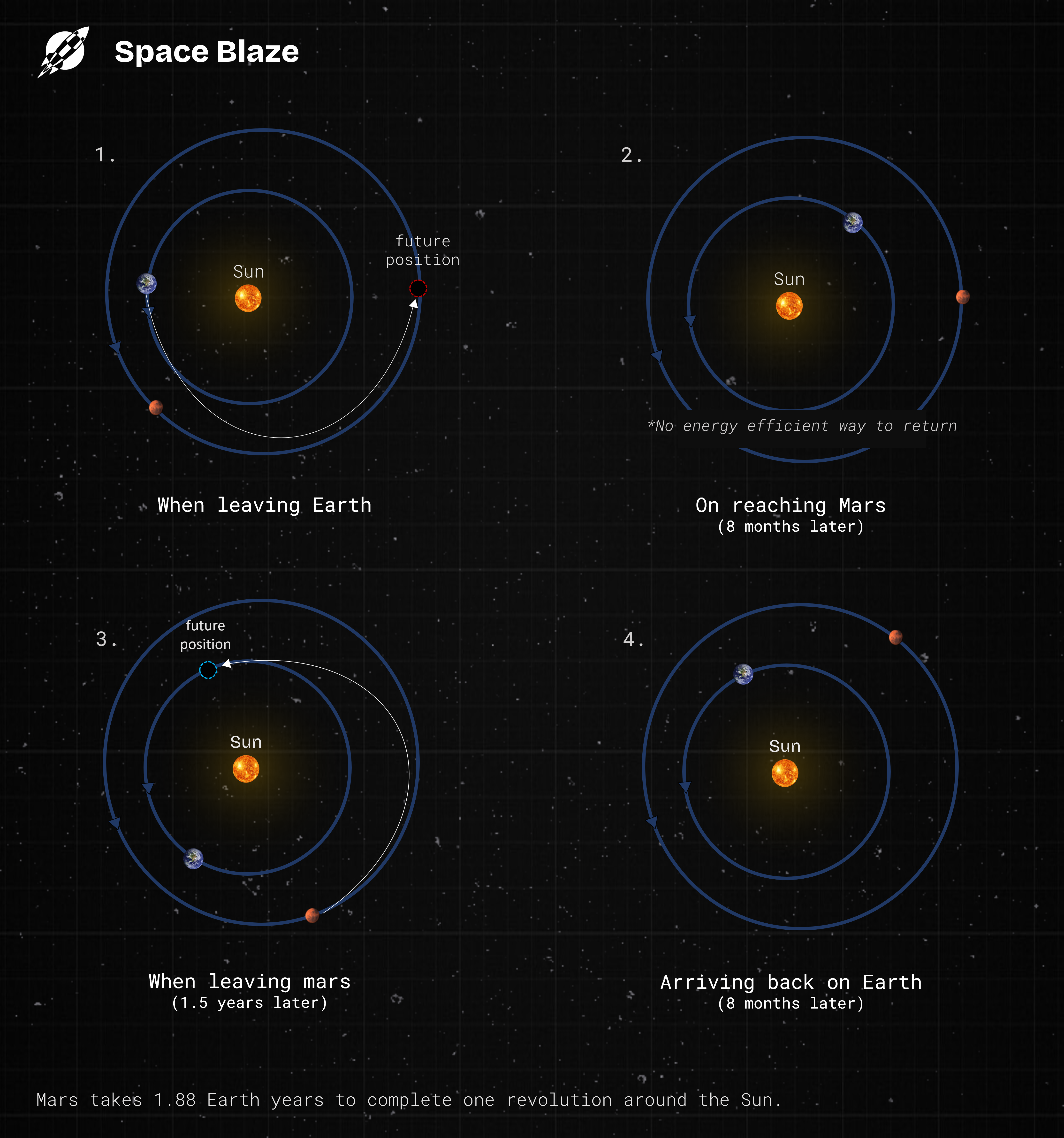
Even when Mars is at its closest, spacecraft aren't launched straight towards it, as this would require far more fuel. Instead, they are first placed into orbit around Earth before being sent into a Hohmann transfer orbit around the Sun, which gradually carries them to Mars. This journey typically takes about 6 to 8 months just to get there. This Hohmann transfer path is not the shortest, but the most energy-efficient. In fact, a spacecraft launched on this path is expected to intercept the other body at nearly the other end of the orbit (see image).
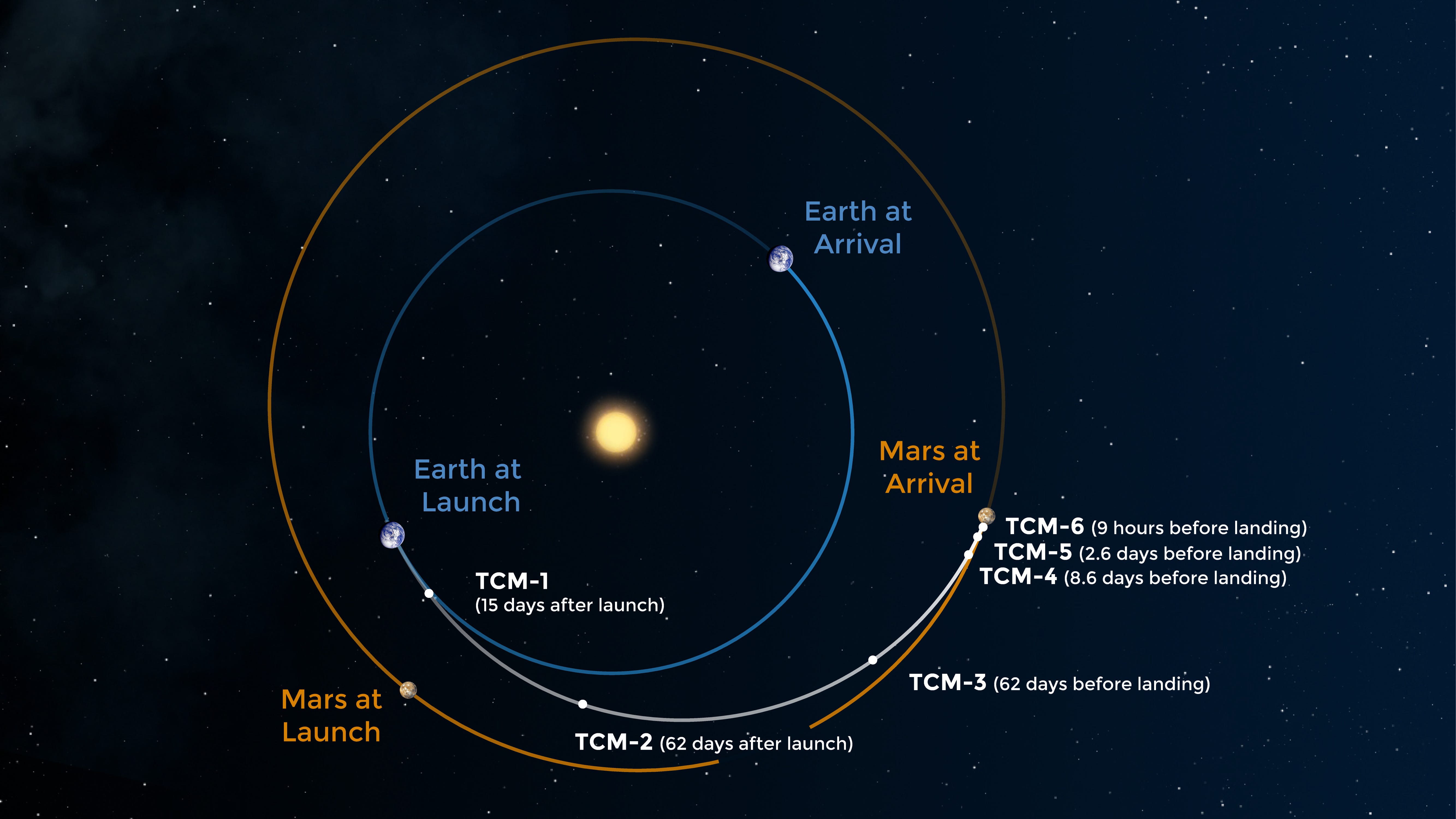
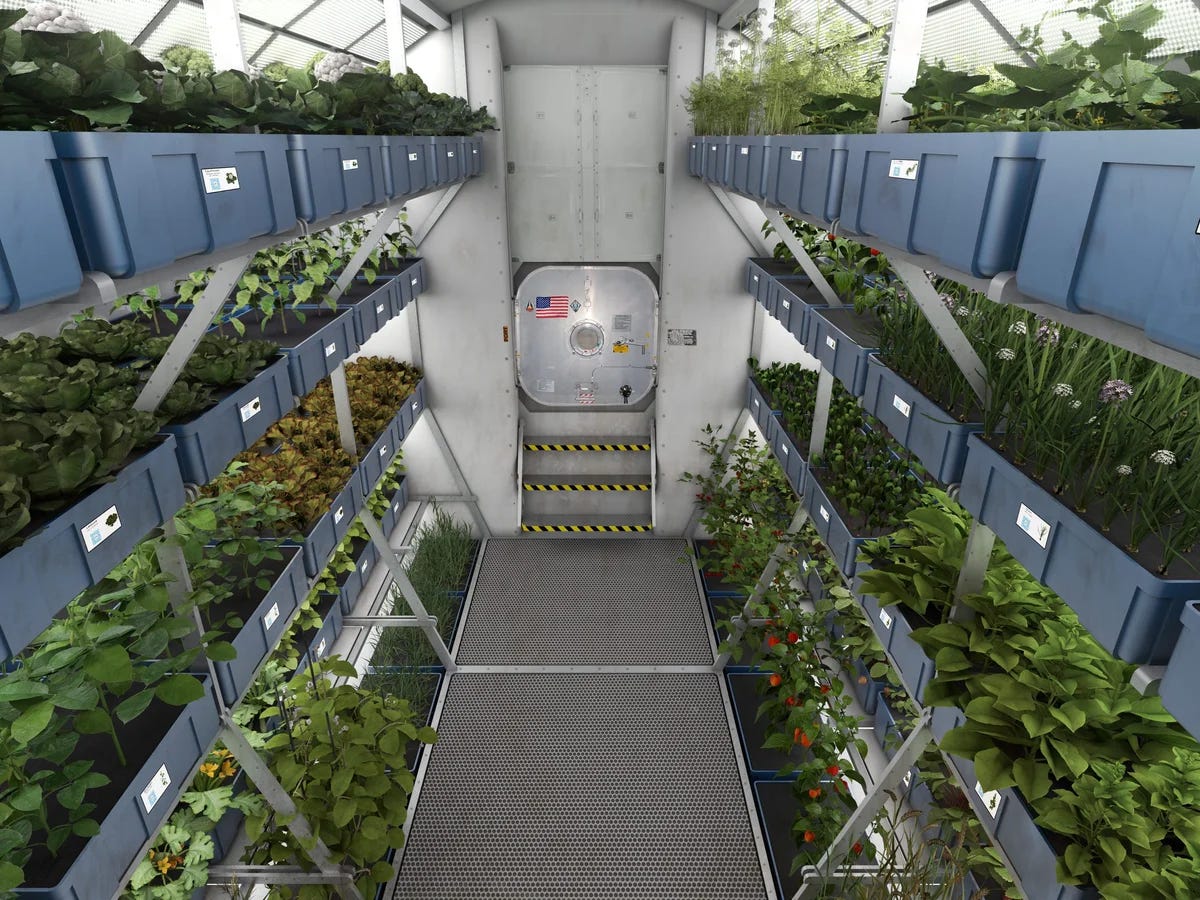
During these months, astronauts are exposed to high levels of cosmic radiation over a long period. Thus, the spacecraft needs to be well shielded. Months in microgravity can also affect astronauts’ bones and muscles, making exercise crucial. Water, oxygen, and more must be recycled. Food must be carried from Earth or grown in space. In case of any emergencies, there is no rescue mission at that distance, so equipment has to function perfectly. There is also a communications delay of 3 to 24 minutes depending on the position.
Many of these challenges are not yet fully solved. While technologies to address some of them have been tested on the International Space Station, they are not ready for months-long missions with no external support.
Landing
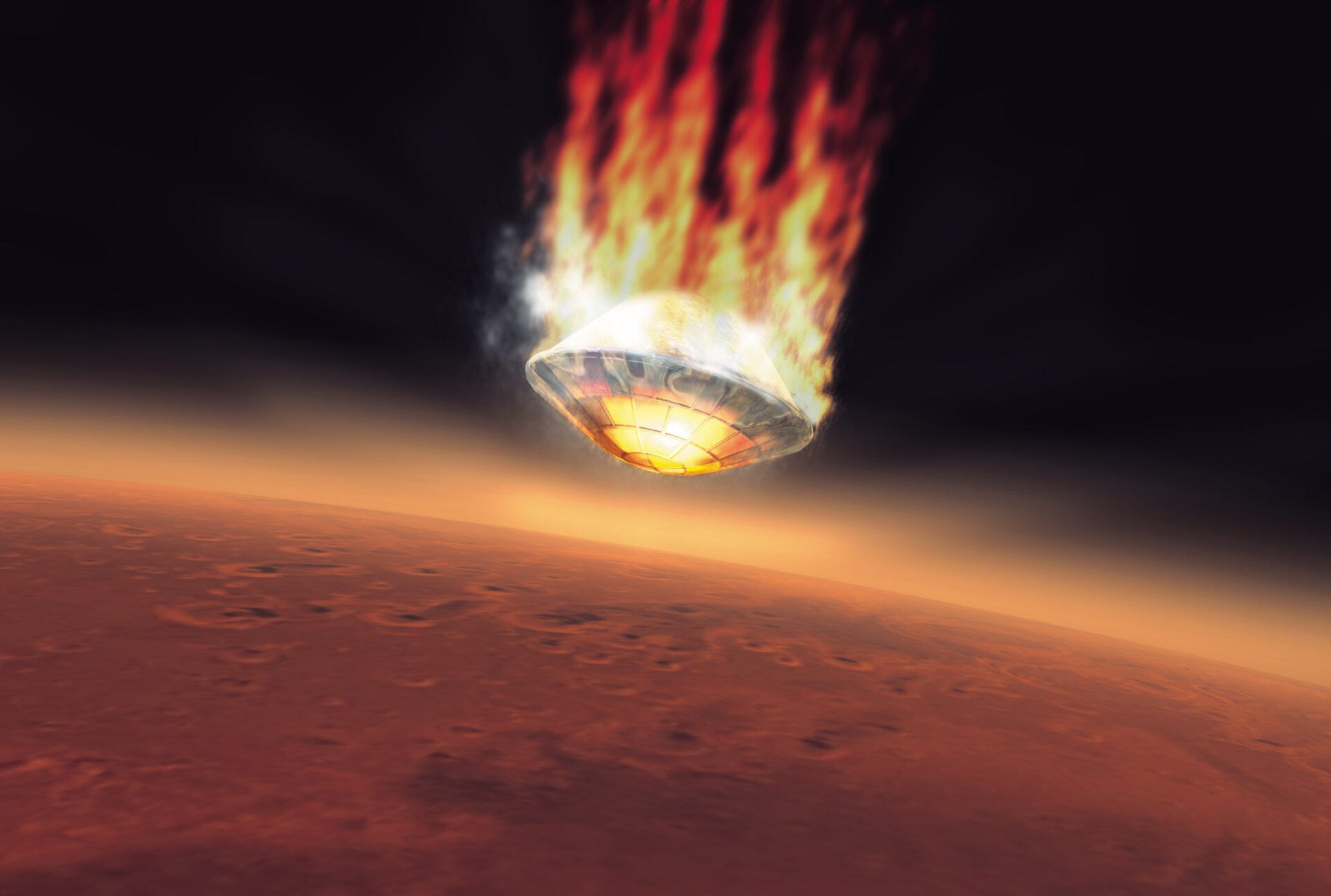
Since Mars has an atmosphere, people assume landing there would be easier than on the Moon, as parachutes can be used to slow the descent. They couldn’t be more wrong. Mars’ atmosphere is too thin to use parachutes to fully slow a large object weighing several tons, yet thick enough to cause the spacecraft to burn up during reentry, posing a unique problem.
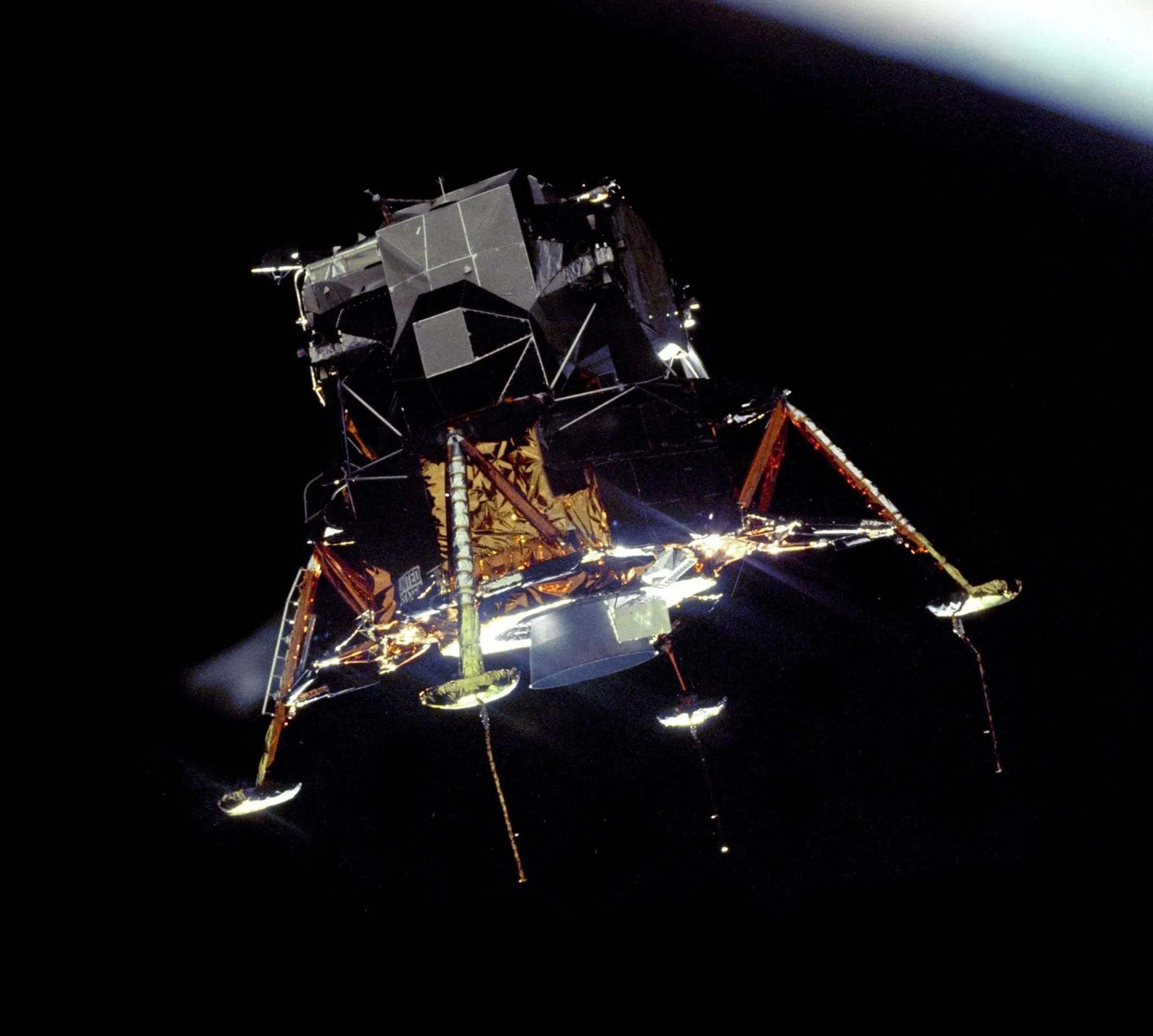
A fully powered descent from orbit to touchdown by firing the lander’s rocket engines all the way down, as was done during the Apollo Moon missions, would require far too much fuel on Mars.
Instead, the spacecraft must first enter the Martian atmosphere and steer itself at hypersonic speeds during an unpowered descent. A heat shield protects it from burning up while the atmosphere slows it down. It must then deploy its massive supersonic parachute at exactly the right altitude and speed, which slows it down further but not enough for landing. After jettisoning the heat shield and parachute, the spacecraft ignites its rocket engines for the final powered descent, all the while making thousands of rapid autonomous adjustments to avoid hazards and touch down safely. This is why NASA famously calls this Entry, Descent and Landing (EDL) sequence the 'Seven Minutes of Terror.'
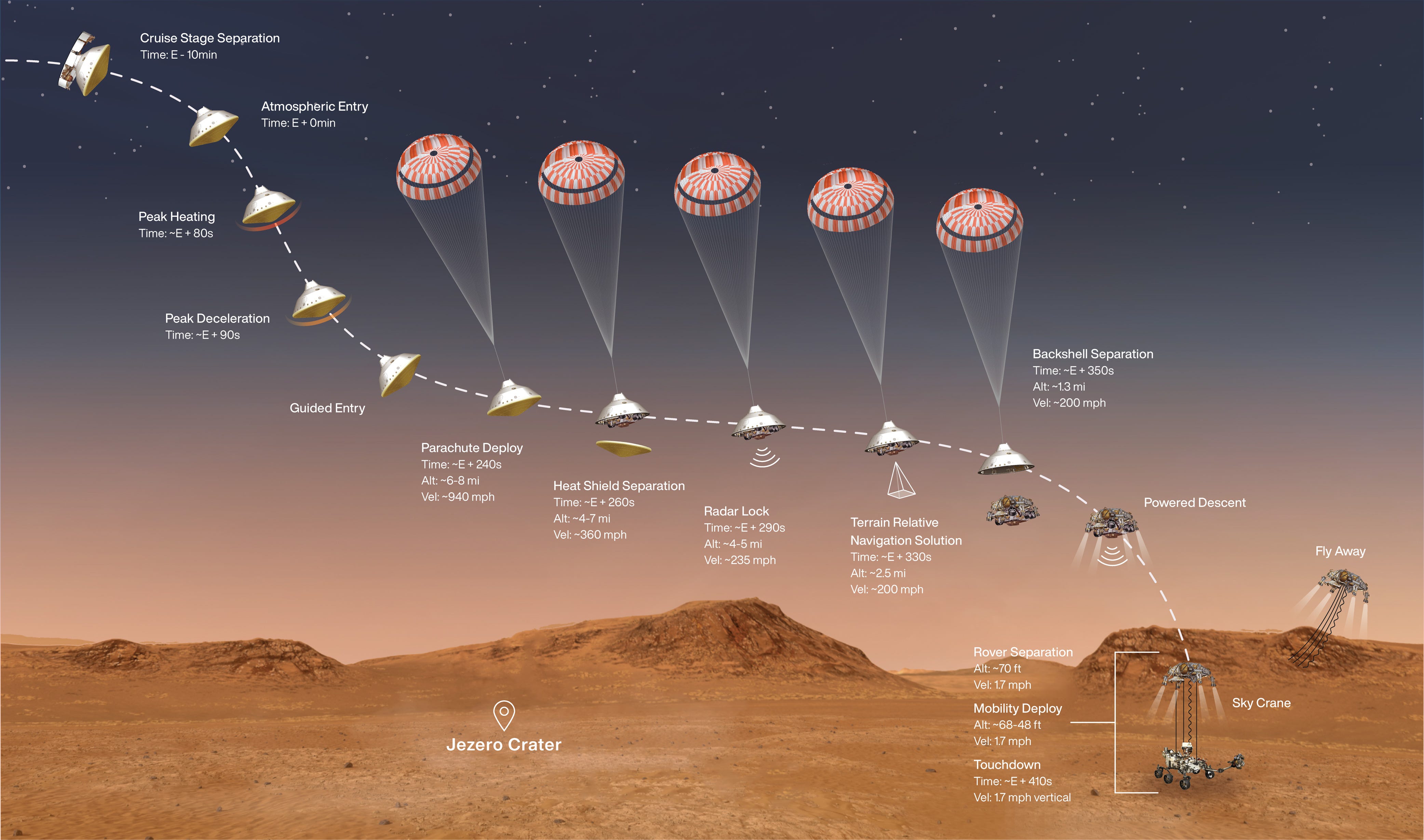
No system capable of landing humans on Mars exists yet. Methods like the Sky Crane used for the Perseverance rover don’t work well for something 20 to 40 times its weight. Methods like supersonic retropropulsion, which involves firing rocket engines while still travelling at supersonic speeds, are currently being developed.
No Quick Way Home
Aside from the fact that the journey itself takes months, astronauts who land on Mars cannot simply return immediately. They would have to wait around a year and a half before leaving. This is because although they leave Earth when the planets are in a favourable alignment, by the time they reach Mars months later, both planets have continued moving around the Sun. If they are to use the Hohmann transfer, they must wait about 550 days for the next favourable alignment, before beginning their journey back. Leaving just a few days after landing would require an impractically large amount of fuel.
All equipment must also survive this long period. Here too, there is little protection from radiation. Extreme temperatures and dust storms are also major issues.
This stay on Mars brings the total mission duration to more than two and a half years.
Leaving Is Hard
To return to Earth, the astronauts must lift off from the surface and connect with a spacecraft already orbiting Mars called the Earth Return Vehicle (ERV) that will then take them back to Earth. While the fact that Mars has lower gravity helps, it doesn’t solve the main problem: you still need a rocket capable of reaching orbit.
A Mars mission would use a Mars Ascent Vehicle (MAV) to help astronauts lift off from the surface. The MAV can either be sent along with the astronauts, significantly increasing the mass of the mission, or, more likely, be sent there years earlier on a separate mission, which would mean it would have to function reliably years later and would also increase costs.
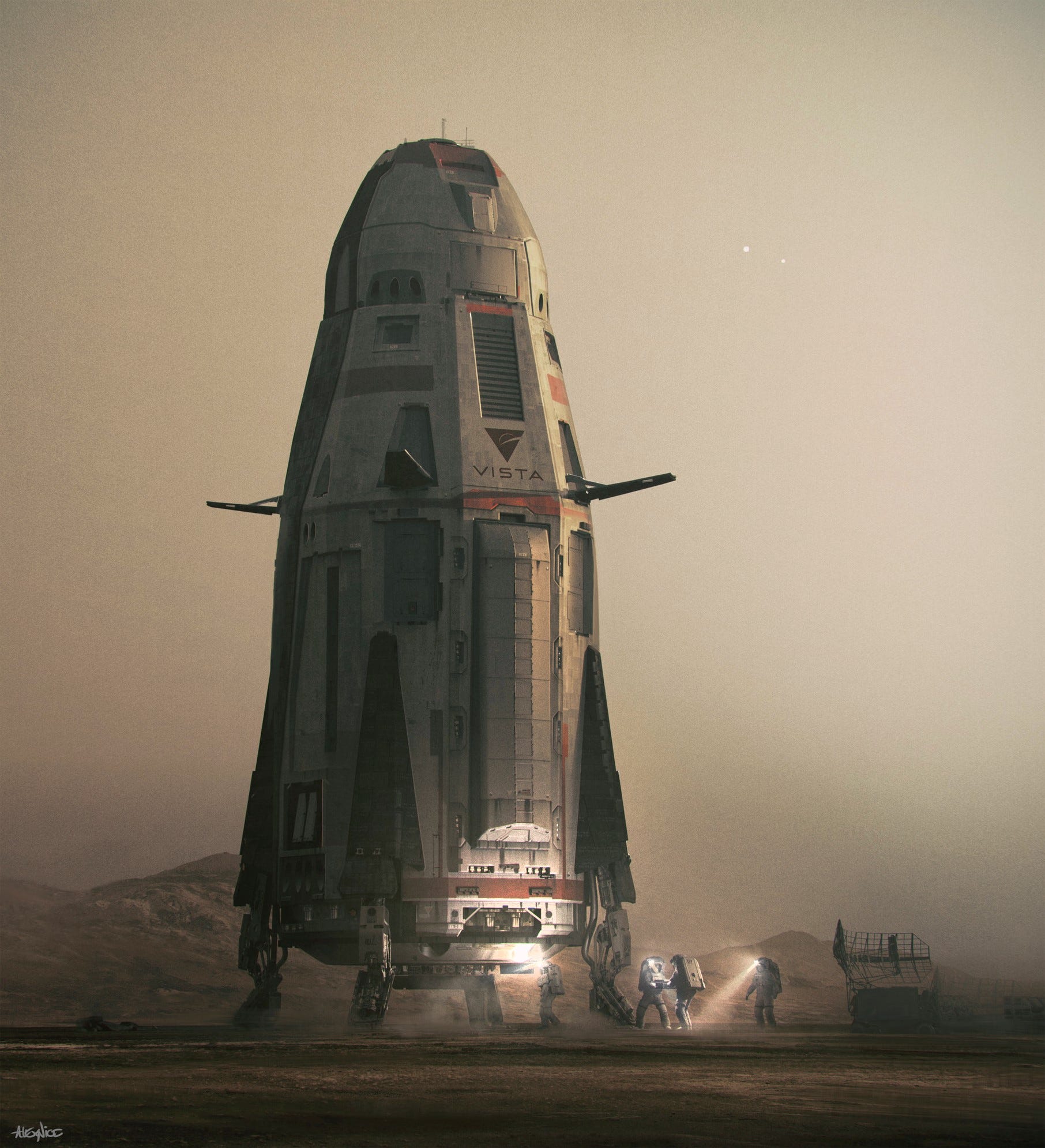
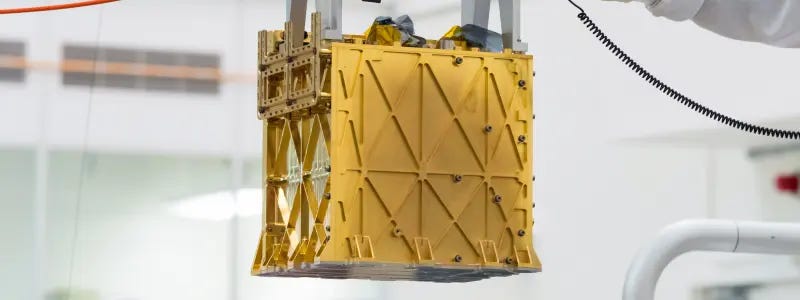
Another consideration is fuel. The MAV would have to carry enough fuel to reach Mars orbit. Sending a MAV from Earth pre-filled with fuel would make it three times heavier, making landing much more difficult and significantly increasing mission costs. This is why scientists are exploring methods of making rocket fuel and oxidisers using the atmosphere and water ice present on Mars. However, current methods are nowhere near enough to produce such high quantities of fuel. The MOXIE experiment onboard the Perseverance rover only produced a few grams of oxygen an hour, about 200 times less than what would be required for a MAV, and producing methane on Mars has never been demonstrated at the required scale.
Keeping Astronauts Healthy
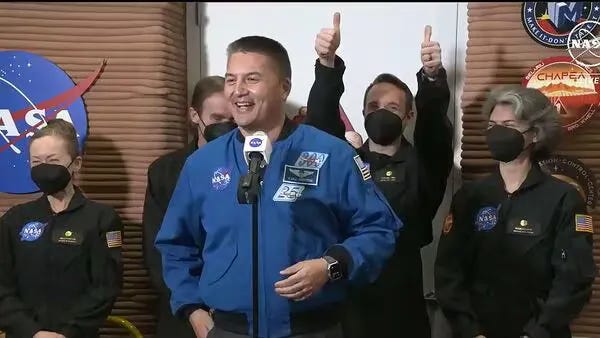
Besides the major engineering challenges, the astronauts must be protected from months of radiation that could lead to cancer. Spacecraft or habitats must provide long-term life support systems like oxygen, water, food, and so on. In 2023, 4 civilian volunteers spent a whole year isolated in a simulated Martian habitat to study the psychological effects of isolation on astronauts. The crew must also be able to fix any problems that arise with equipment on their own using the tools available to them, and every system must be extremely reliable.
This article only covers what it would take to land humans on Mars and get them back safely. Colonising Mars, on the other hand, is a whole different ball game, yet reaching Mars itself is much harder than it sounds. Setting foot on the red planet would be a milestone for humanity and make us an interplanetary species.