Our Engagement Palette!
Check out our colour-coded system for our weekly space news:
🟤 Brown: For weeks that are mundane and bland.
🟡 Yellow: For fairly interesting weeks.
🟢 Green: For the most exciting weeks.
This Palette will help you decide if this week’s news is worth your time!
This week ranks green 🟢 on the Engagement Palette.
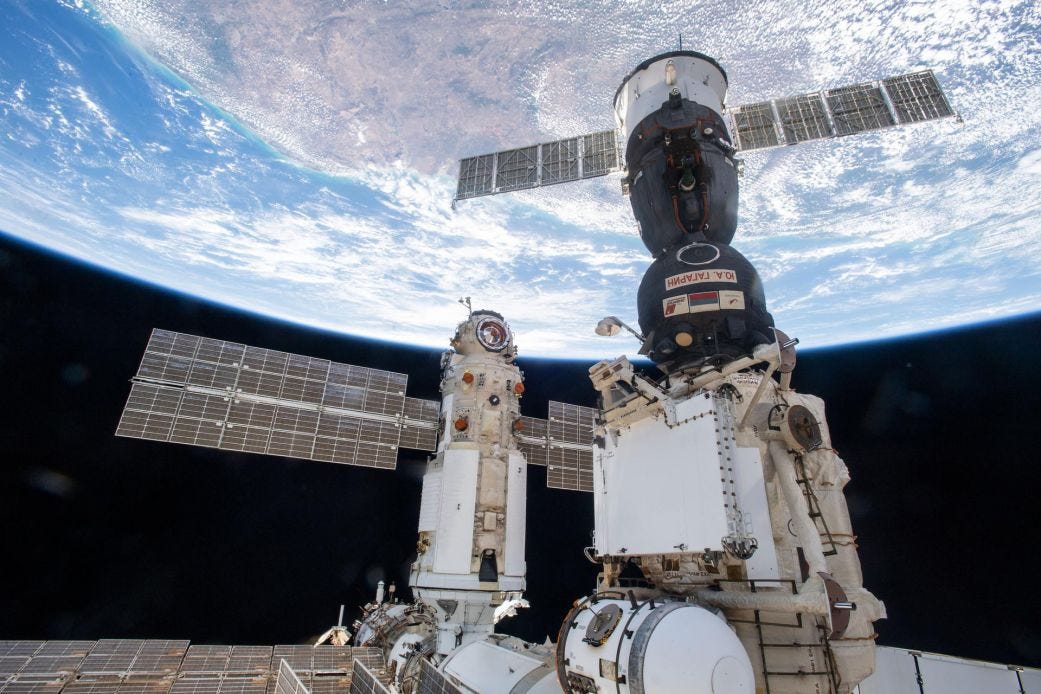
ISS crew instructed to shelter in ‘Lifeboat’ spacecrafts during leak repairs
Last week, ISS astronauts were instructed to shelter in the ‘lifeboat’ return spacecraft as two Russian Cosmonauts worked to fix an air leak in an internal transfer tunnel that connected a spacecraft docking station to the Zvezda module. The astronauts, taking no chances, put on their spacesuits and prepared to leave at a moment’s notice in case the repairs caused a rupture in the space station. After about an hour, they were told they could return, after the repairs were paused with only partial success.
This leak has been a persistent issue for a long time, since it was first reported in 2019 and has worsened since then, slowly releasing air from inside the space station into space. Despite multiple efforts to fix it, the leak has always returned. It still has not been fully repaired, and ground teams are working to identify the issue.
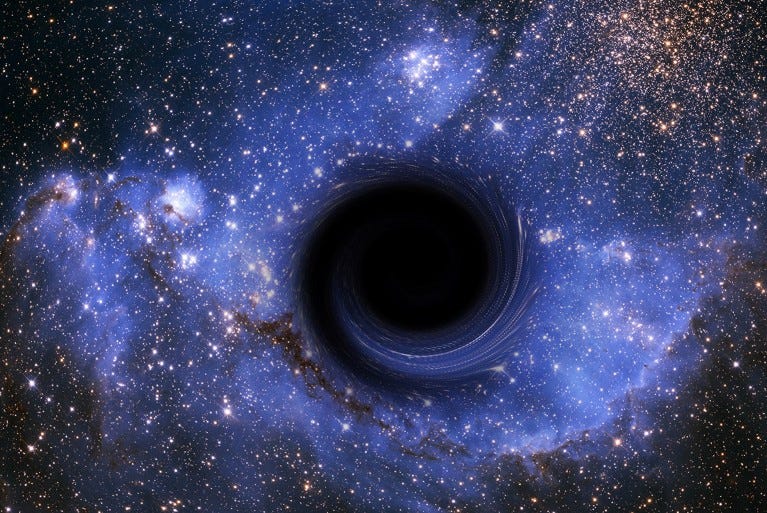
Scientists find most distant dormant black hole
Last week, scientists working on the James Webb telescope discovered a black hole located 10 billion light-years away in the galaxy MRG-M0138. Weighing as much as 6 billion suns, this supermassive black hole isn’t actively feeding on the matter around it, making it the farthest dormant black hole discovered. Since this also means that the black hole doesn’t create bright disks of gas, called accretion disks, it doesn’t interact with light in any way. This is why it was discovered by tracking the motions of stars around it, influenced by its massive gravity.
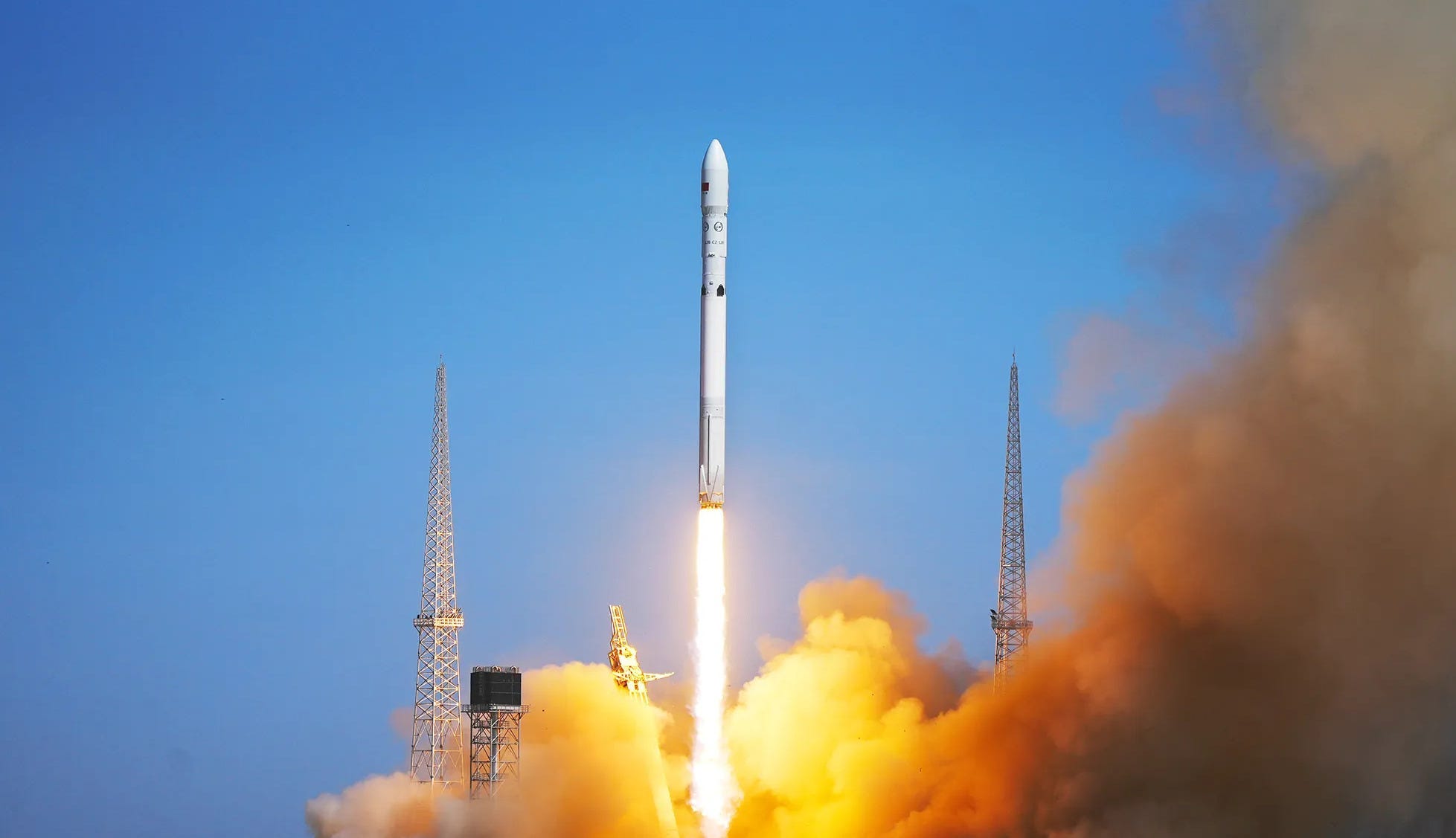
China launches its Long March 12B rocket for first time
Last week, China successfully conducted the maiden launch of its Long March 12B rocket. Surprisingly, the rocket put satellites from paying customers on its very first flight. The launch was conducted without much media coverage or public notice.
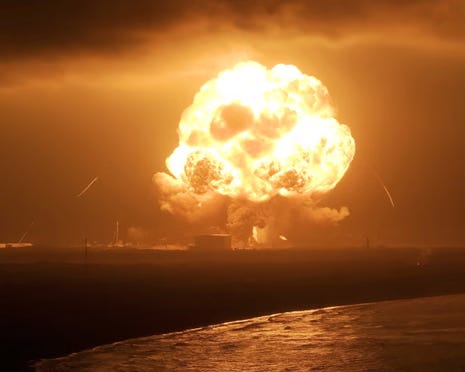
Blue Origin’s rocket explodes during test
Recently, American private firm Blue Origin’s New Glenn rocket exploded during a hot-fire test, where the rocket was bolted to the launchpad to test the engine burn. Seconds into the test, the rocket exploded. No personnel were injured. This explosion is, however, a setback to NASA as it plans to use Blue Origin as a backup to SpaceX’s Starship to land humans on the moon as part of the Artemis missions. While NASA’s SLS rocket will get the astronauts most of the way to the moon, once in lunar orbit, they will transfer onto a separate landing spacecraft launched separately, by either SpaceX or Blue Origin, to descend onto the moon’s surface.