

Solid fuel, liquid fuel, cryogenics, hybrid propulsion and more — these are all terms thrown around in the space industry that often go over the heads of casual readers. To most of us, solid fuels mean firewood or charcoal, and liquid fuels are petrol or diesel. But getting a rocket into space requires far more than what you put in your car. Let’s clear up the confusion and explore what rocket propulsion actually is.
Propulsion
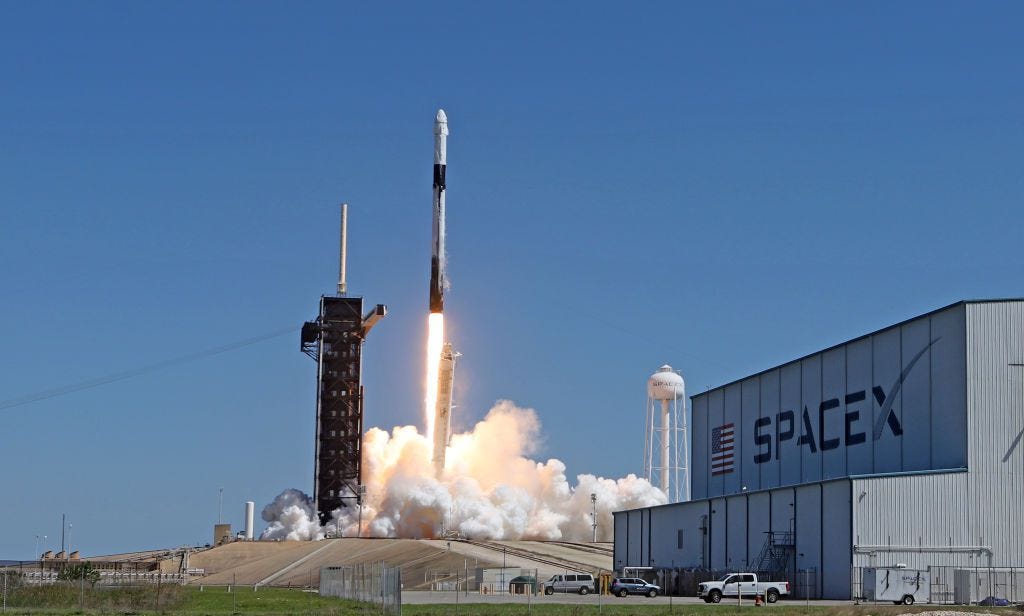
Propulsion is anything that helps a rocket (or any other object) move forward. Nearly all rockets use chemical propellants, though a few specific applications use other methods. In chemical propulsion, fuel alone isn’t enough — it needs oxygen to burn, which is scarce at high altitudes. That’s why rockets carry an oxidiser to supply oxygen for combustion. Together, the fuel and oxidiser make up the propulsion system.
Chemical Propulsion
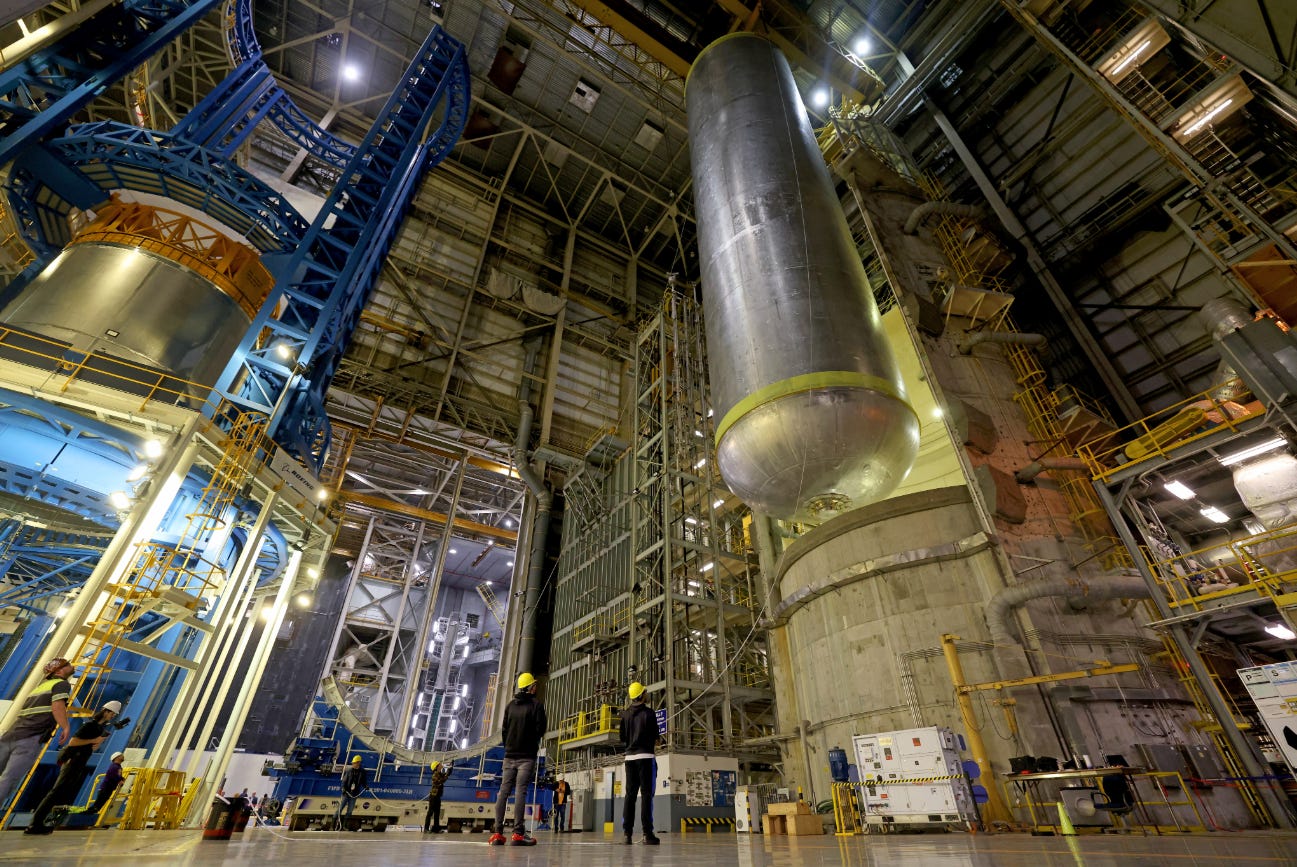
Chemical propulsion is broadly classified into three types: solid, liquid, and hybrid. Many rockets use a combination of two or more of these in different stages.
Solid Propulsion
In solid propulsion, the fuel and oxidiser are mixed with a chemical called a binder, which acts like glue and also serves as fuel. This mixture is cast into a solid cylinder called a grain, with carefully designed gaps in the centre. These gaps control how much fuel is exposed at any given time, allowing the rocket’s thrust to be preprogrammed and, in turn, influencing its motion and direction.

Solid propellants have one major downside: They cannot be controlled or shut off at all after ignition. This is why it is often used for raw power and not for tasks that require high precision or efficiency. This makes them perfect for the lower stages of a rocket (though some still use liquid propulsion) or strap-on boosters. Solid fuels are used because they are relatively simple, last for long periods of storage, are low-cost, and are less sensitive.

Liquid Propulsion
As the name suggests, in such cases, the propellants are stored as liquids in separate tanks and are fed into a combustion chamber where they burn to produce thrust. Liquid propulsion allows scientists to control thrust during the flight using the valves and pumps. They can be shut off and re-ignited as necessary. They are also much more efficient and are used for high-precision tasks in the upper stages of a rocket.
Monopropellant Engines
In such engines, there is only one liquid propellant. It releases energy when it flows out of the tank and touches another chemical called a catalyst. They are very simple and reliable, but are low in efficiency. They are usually used for satellite propulsion and not for rockets

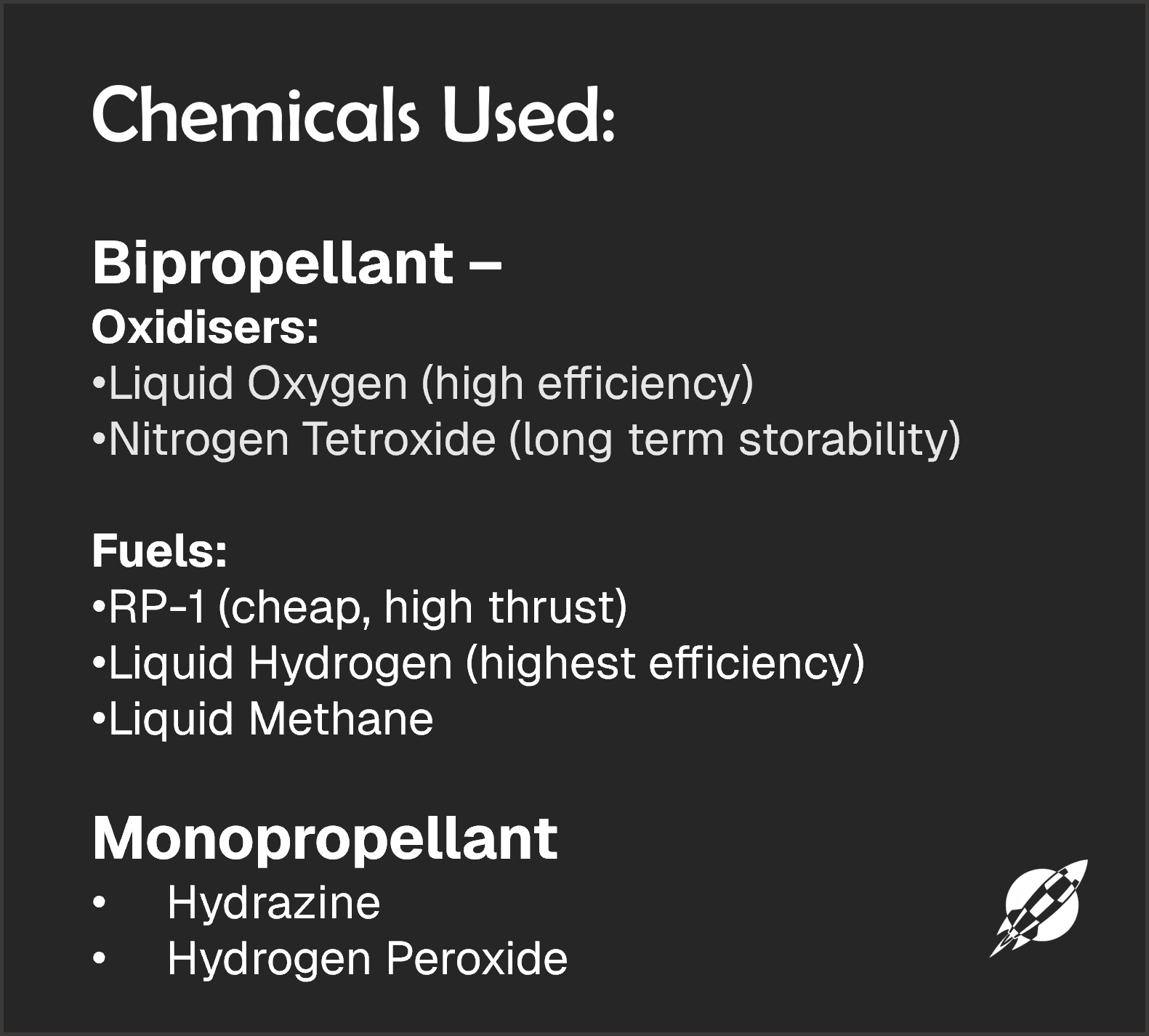
Bipropellant Engines
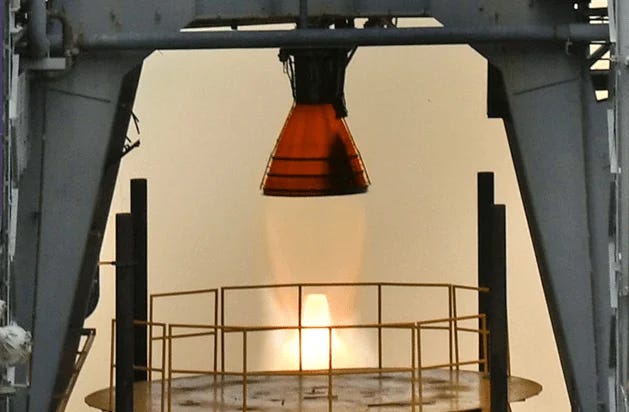
Such engines have two tanks – one for the fuel and one for the oxidiser. They are both released into the combustion chamber and either ignite on touching or are ignited by the engine to produce thrust.
Tripropellant Engines
Such engines are extremely rare or experimental. They have two fuels and one oxidiser tank. It uses the more powerful fuel first and later switches to the higher efficiency one.
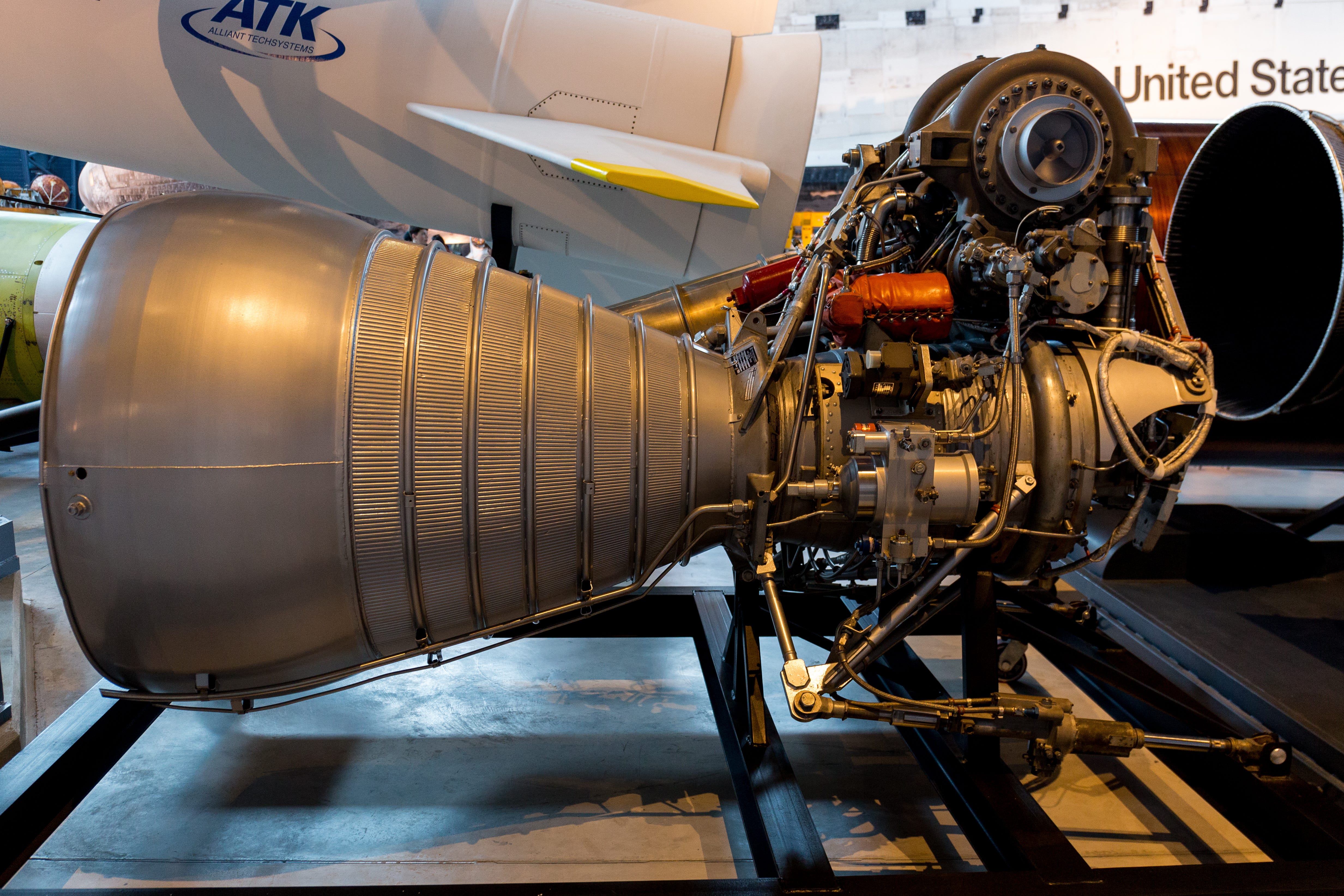
Liquid propellants need to enter the combustion chamber at very high pressures. This is often done using a pump or by storing the fuel in high-pressure tanks. Some of them need to be ignited on entering the chamber, so ignition systems are often needed. Some high-efficiency fuels and oxidisers like liquid hydrogen or liquid oxygen need to be stored at very low temperatures. Such engines are called cryogenic engines. All these features start to increase the complexity of such engines.
Hybrid Propulsion
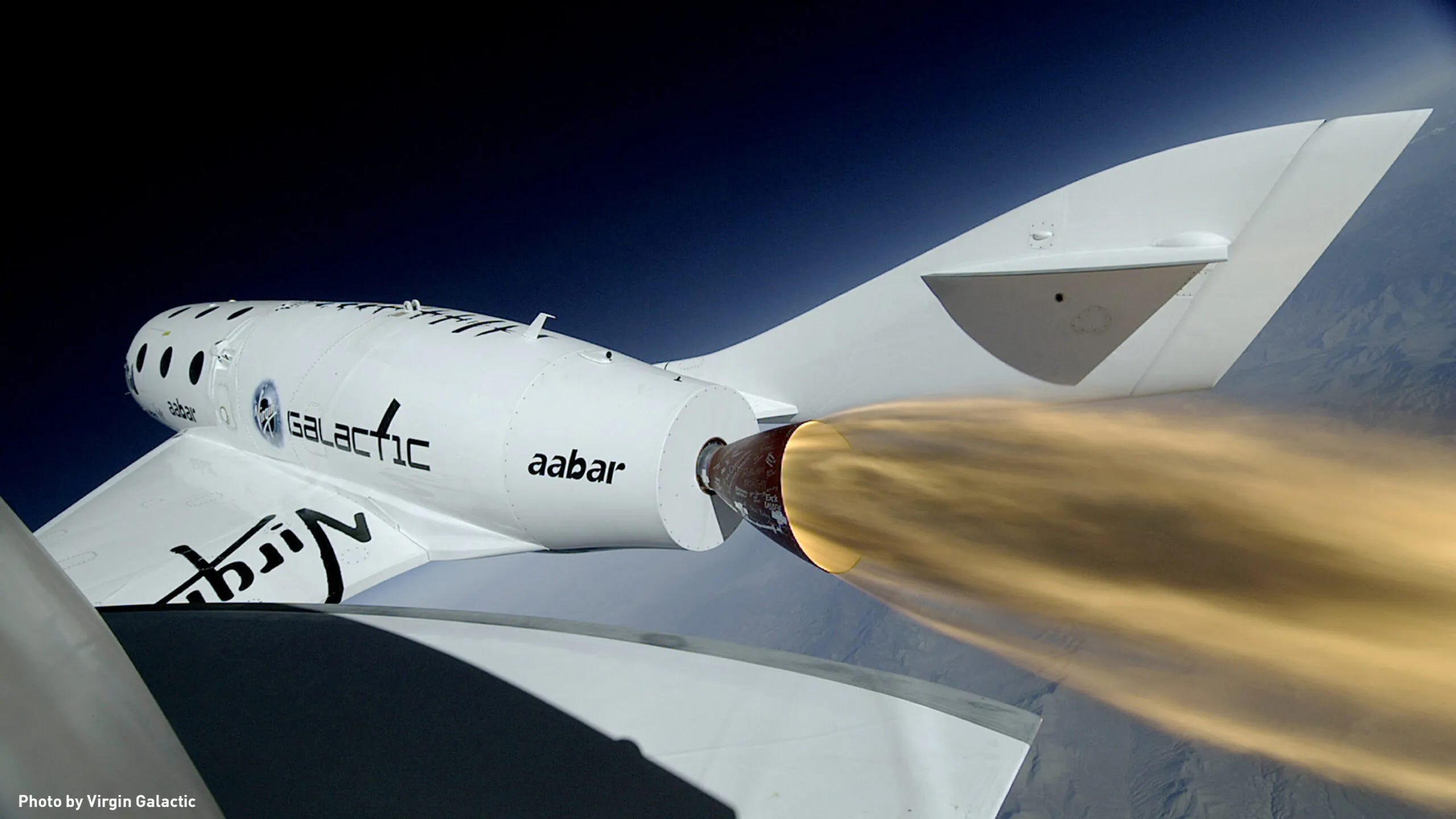
In hybrid propulsion engines, the oxidiser is stored as a liquid in a tank while the fuel is a solid grain, similar to solid propulsion systems. Cutting off the oxidiser allows the engine to be shut down and provides limited thrust control. Because the fuel and oxidiser are stored separately and avoid very high-performance solid fuels, these engines are safer and less prone to violent burning. They are simpler than full liquid propulsion systems, but are less efficient and cannot produce very high thrust.

Non-Chemical Propulsion
Here we deviate slightly from what most people would call a “rocket.” So far, we’ve only looked at propellants used in launch vehicles, but spacecraft, satellites, and deep-space probes also need propulsion. This is not to stay in orbit or to just move forward on its path, but to change orbits or speeds. Most of them do not use chemical propulsion, as it is expensive and heavy. Non-chemical propulsion greatly reduces spacecraft mass, making them easier to launch.
Electric Propulsion
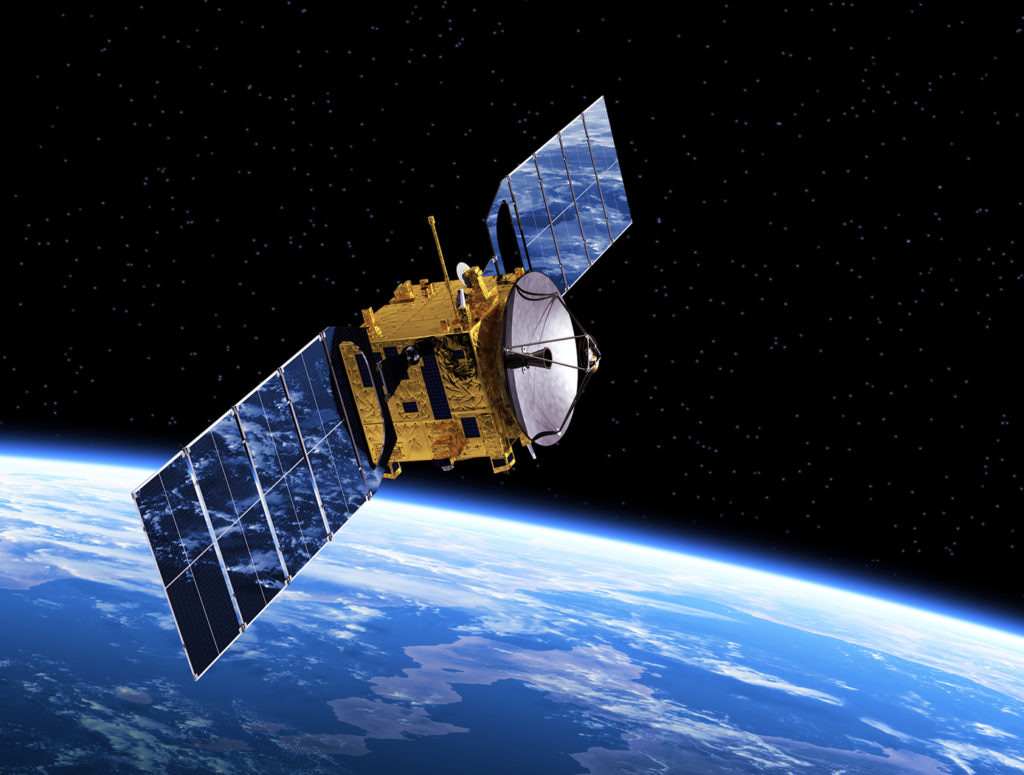
This kind of propulsion is heavily used by spacecraft today. Nearly all satellites, spacecraft, probes, etc. have solar panels attached to them that help them generate electricity for not just their own functions but also for propulsion.
It works by ionising a propellant gas (usually xenon) – this means the particles become charged. These charged ions are then ejected out the back using electric or magnetic fields, and this moves the craft forward. Instead of shooting hot gases out the back like chemical propellants, they shoot out ionised particles.
Some experimental engines produce plasma (a big mixture of ions, positive particles, etc) which is shot out the back, similar to the ion propulsion.

Solar Sails
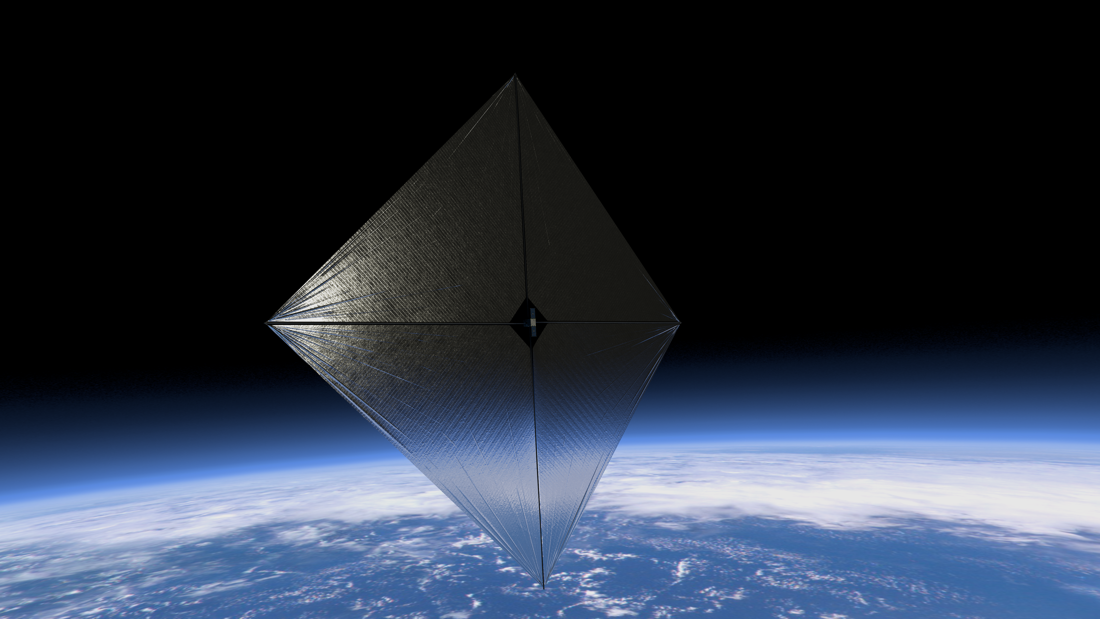
On Earth, a sail uses the wind hitting it to move a boat forward. Similarly, in space, some very light experimental satellites currently use solar sails for propulsion. As light particles from the sun hit these thin sails, it pushes the craft forward. This effect is tiny, but it builds up over time. Solar sails are extremely simple and don’t rely too much on complex technology.
Nuclear Propulsion
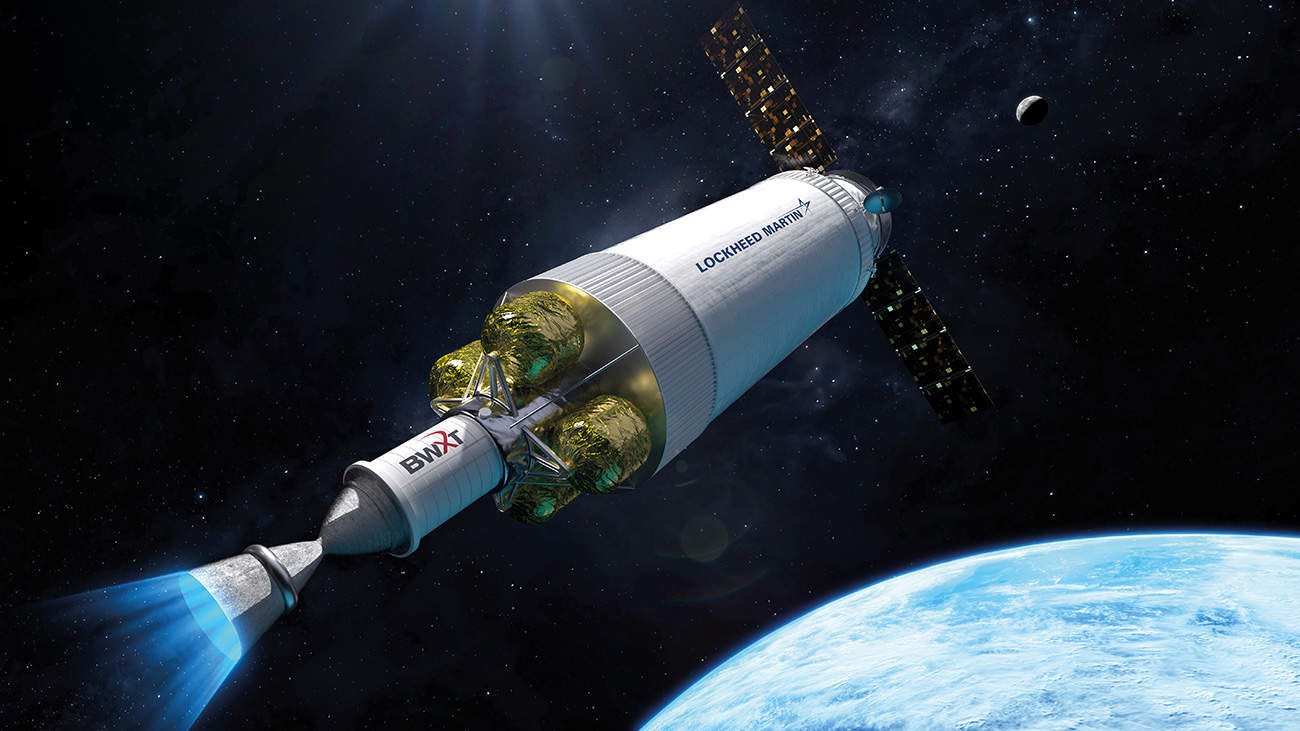
This was extensively researched in the 1960s but eventually shut down due to political and safety concerns. It applied not only to satellites and probes but also to high-power launch vehicles. It worked by using a nuclear source to heat up liquid hydrogen and make it expand. This gas was then pushed out through nozzles at high speed to propel the craft/rocket. Today this idea is being revisited for future Mars missions.
There are many more theoretical and experimental methods to propel rockets and spacecraft that are being researched today. Some sound like they are straight from sci-fi, like space-tethers or beamed energy propulsion, each of which would have to be given its own article. Considering that humans launched the first satellite only 70 years ago, who knows what the space industry will look like in another few decades?