ISRO completes long-awaited space docking experiment
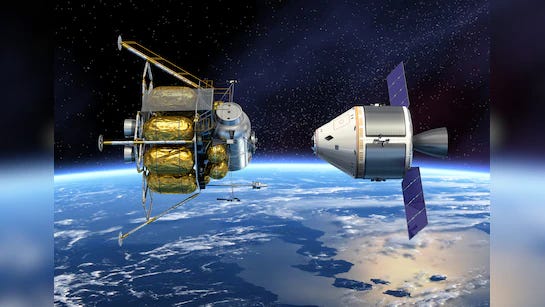
In January, ISRO successfully docked (connected) the two spacecraft: ‘Chaser’ and ‘Target’, part of the SpaDeX experiment in space. This puts India along with Russia, China and the USA as the only countries to achieve space docking before; a capability essential for building space stations and lunar sample return missions, both of which ISRO intends to do in the future. After putting SpaDeX in orbit, the fourth stage of the rocket was converted into an orbiting laboratory called POEM-4. Onboard this lab, ISRO also operated its first-ever robotic arm in space.
China launches its first asteroid sample return mission
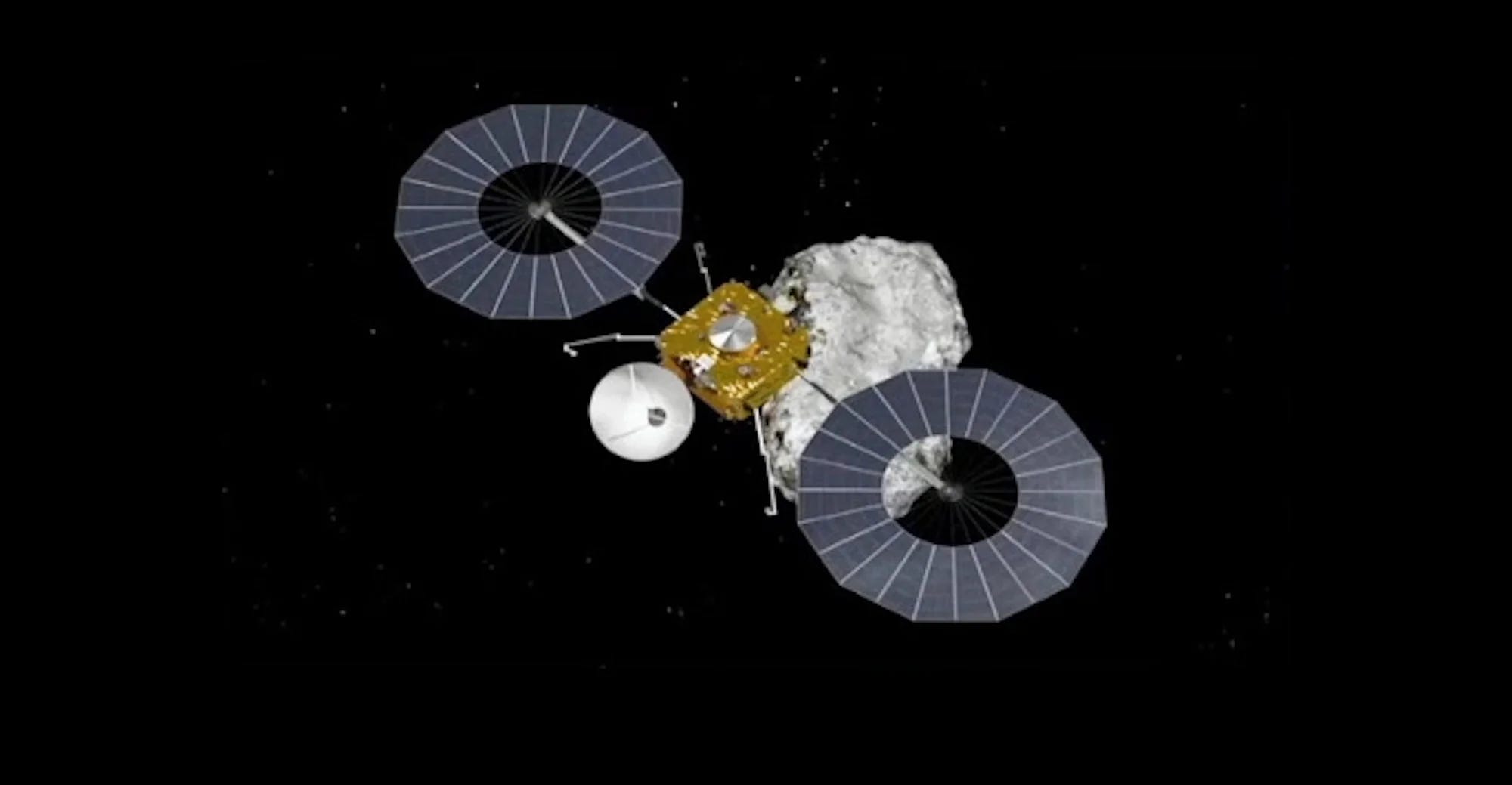
This May, China launched its first asteroid sample return mission - Tianwen-2. The mission is headed to the asteroid ‘469219 Kamoʻoalewa’, which actually orbits the Sun but appears to orbit the Earth because it is very close to it. The mission aims to collect 100 g of samples and return by November 2027.
Private Moon landings: one success, three familiar failures
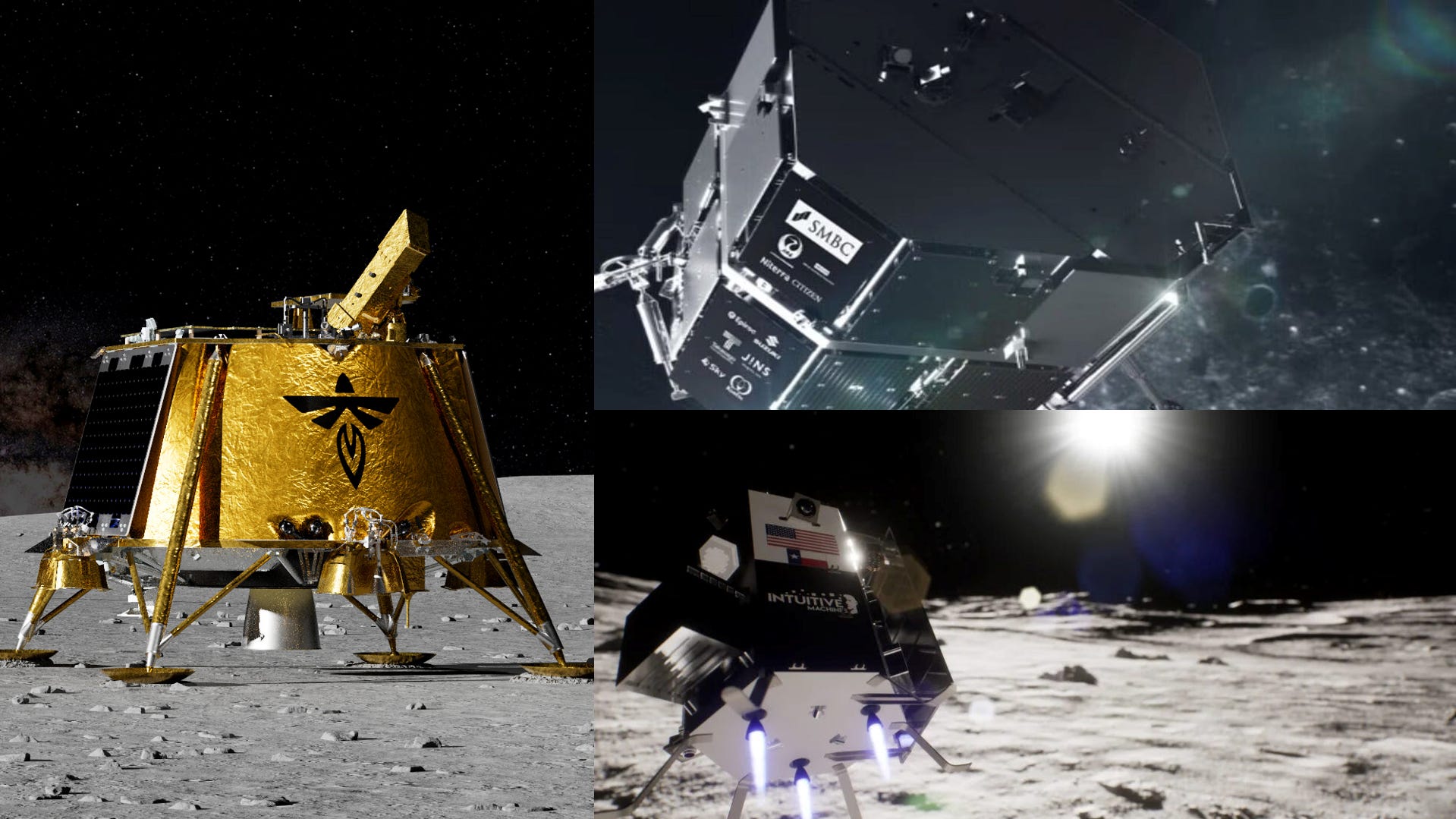
The last year saw multiple private companies attempt lunar landing missions. Intuitive Machines sent two landers – the IM-1 (Odyseus) and the IM-2 (Athena), both of which landed sideways on the moon, causing some inconveniences. Japanese company ispace’s lander (Resilience) unfortunately crashed onto the lunar surface, marking the company’s second failed moon landing. However, Firefly Aerospace’s Blue Ghost lander, launched along with Resilience, landed successfully.
Shubhanshu Shukla becomes first Indian on board ISS
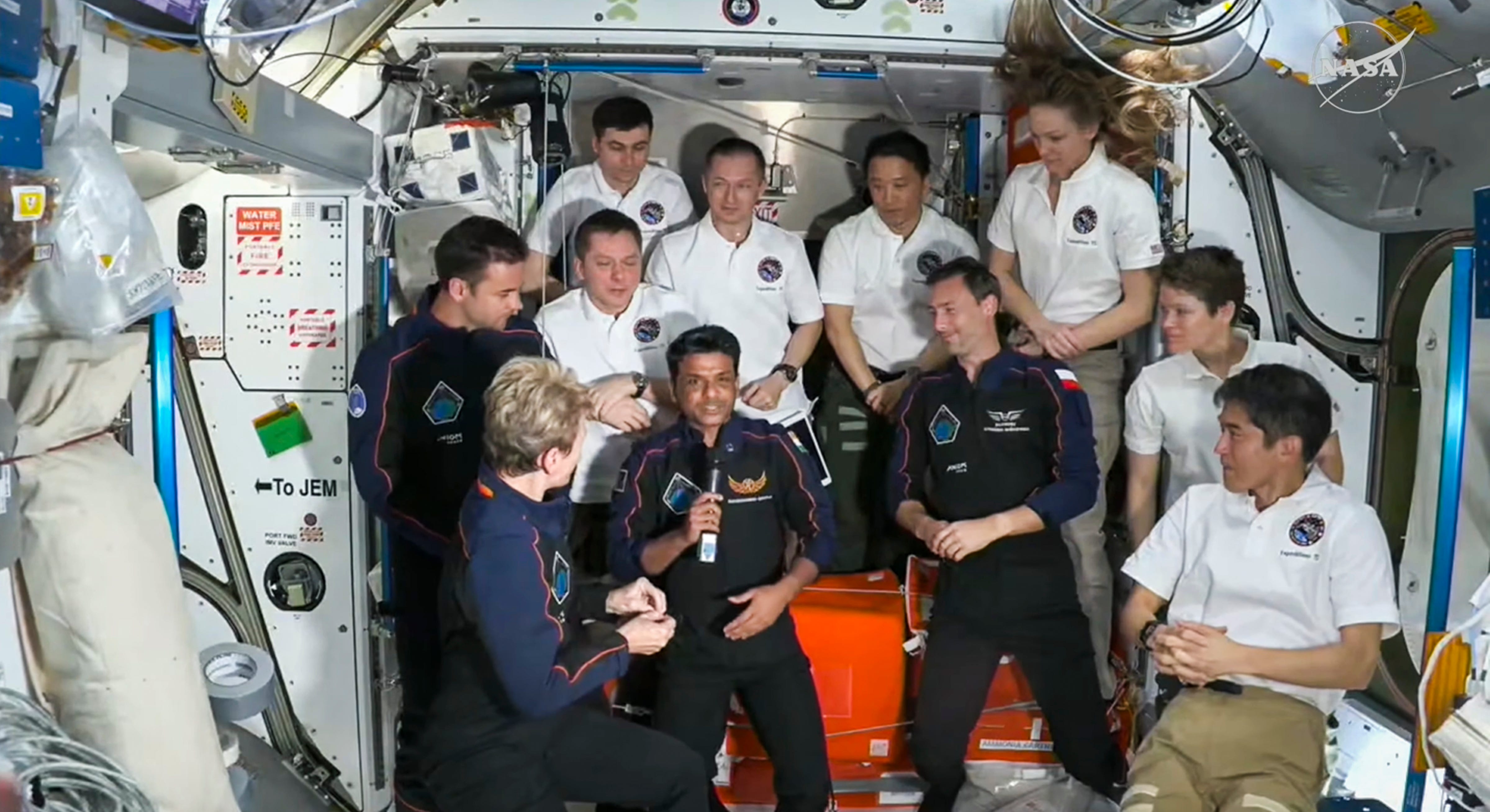
In June, Indian astronaut Shubhanshu Shukla became the first Indian to enter the ISS during the Axiom-4 mission, and only the second Indian in space after Rakesh Sharma. The mission prepares him for India’s Gaganyaan launch in 2027.
Scientists capture two black holes orbiting each other for the first time
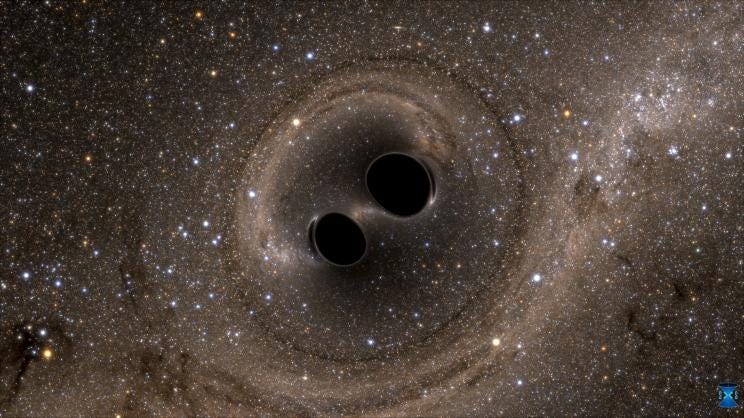
In October, scientists managed to successfully capture the first-ever radio image of two black holes orbiting each other. This phenomenon had long been theorised, but until then had never been imaged. This was because the black holes’ gravity bends light around them, making it tricky to capture. The two black holes, located in a system named OJ287, were observed using multiple radio telescopes located on Earth and even one in space. While you cannot take an image of the black holes themselves as they trap all light, you can see the disk of glowing gas called an accretion disk around them.